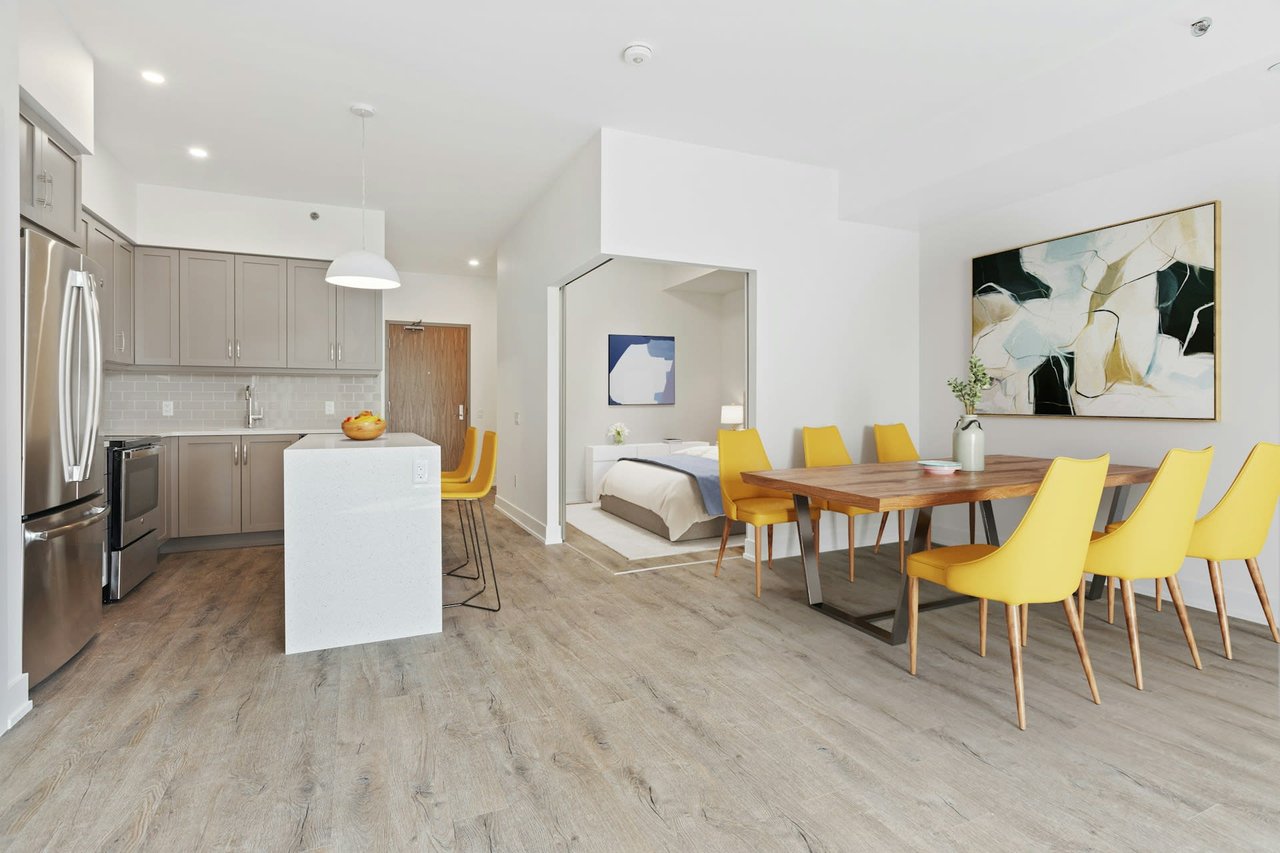
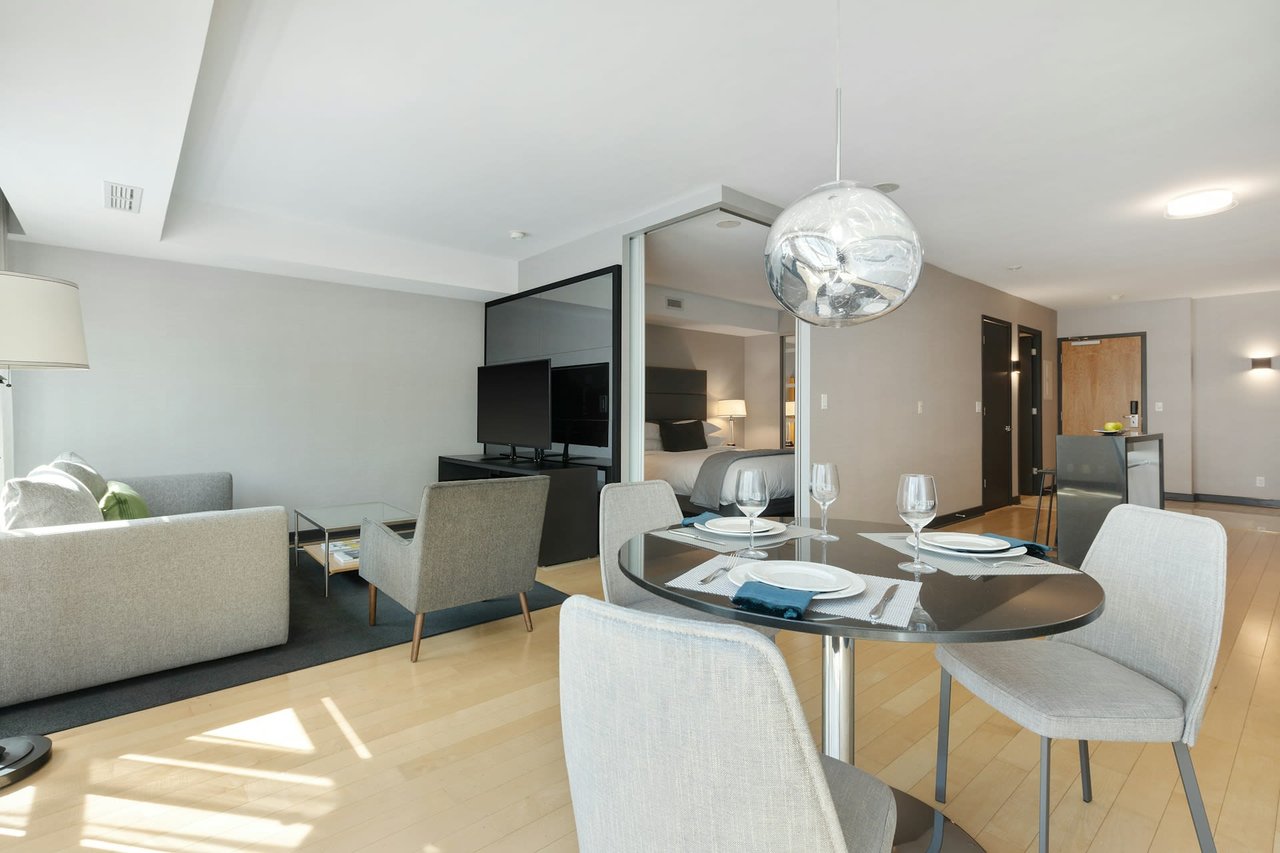
People buy in Uptown to leave the car parked. That is the whole proposition, and it is worth testing rather than assuming: walk from the specific address to the grocery, the gym and the two restaurants you would actually use, at the hour you would actually walk it. Two buildings a few minutes apart can differ considerably in how walkable they really are.
In a walkable district, the street is close, and which way a unit faces changes the experience of living in it more than the floor number does. Ask what is below and beside the unit, not only what is in front of it. A courtyard-facing unit two floors up can be quieter than a street-facing one much higher.
Space count, whether spaces are deeded or assigned, where they sit in the garage, and whether the building allows owners to transfer them between units all differ. In a district where residents keep a car they rarely drive, a second space or a well-placed one carries real value. Confirm what conveys in writing rather than assuming it from the listing.
Pools, fitness floors, lounges and staffed desks are real expenses, and they arrive every month in the dues whether or not you use them. Decide which of them you will genuinely use before paying for a building organized around all of them. The buying guide covers how to compare dues once you normalize for what each building includes.
Uptown attracts renters, which makes leasing rules worth reading closely even if you never intend to lease. Minimum terms, caps on the share of leased units and approval requirements all vary. A building with a high and rising leased percentage can complicate financing for your eventual buyer, and that narrows the pool you sell into.
Uptown is the most social of the four in-town districts — busier than Turtle Creek, steadier week to week than Victory Park, and less uniform than the Harwood District. The district comparison sets them side by side; the relocation guide is the place to start if you are new to Dallas.
It is the most walkable of the four in-town districts, and that is the whole proposition. Test it against the specific address rather than the neighborhood name — two buildings a few minutes apart can differ considerably.
Uptown trades quiet for walkability and nightlife; Turtle Creek is the calmer, greener side of the same area. The district comparison sets all four side by side.
It varies by building — staffing, insurance, amenities, and reserves are the usual components. Read the budget and reserve study before removing the HOA contingency; here is the checklist.
Which way a unit faces changes the experience of living in it more than the floor number does. Ask what sits below and beside the unit, not only what is in front of it, and see it in the evening.
Space count, whether spaces are deeded or assigned, where they sit in the garage, and whether owners may transfer them between units all differ. Confirm what conveys in writing rather than assuming it from the listing.
Tell Nora the budget, the timeline, and the two or three things the home has to do. She will come back with the Uptown buildings that fit and the ones that do not. Start the conversation.