In most of Dallas, you choose a neighborhood and then choose a house. In the high-rise market, that order reverses. You choose a building first, and the building sets nearly everything that follows: your monthly carrying cost, what you see out the window, whether you can lease the unit later, and how easily you will sell it when the time comes.
Two units with the same square footage, in towers three blocks apart, can differ by hundreds of dollars a month and by years of resale liquidity. The listing photos rarely show you why.
Here is the framework I use with buyers, in the order the questions actually matter.
1. Start with the monthly number
The purchase price is negotiable. The HOA dues are not.
Ask for the current monthly dues, what they include, and the dues history for the last several years. A building whose dues have climbed steadily is telling you something about its cost structure. A building whose dues have stayed suspiciously flat may be underfunding its reserves, which tends to surface later as a special assessment.
What dues cover varies more than buyers expect. Some Dallas buildings bundle water, cable, internet and valet parking. Others bill separately for storage, a second parking space or guest suites. Compare what you are actually getting, not the headline figure.
Ask directly: What do dues include? What is billed separately? What has the trend been?
2. Read the reserve study first
A reserve study is the building’s assessment of what its major systems will cost to replace and whether it has set aside enough to do it. Elevators, chillers, roofs, garage decks and window systems are expensive, and they fail on a schedule.
A well-funded building with higher dues is frequently the better financial outcome than a thinly funded building with attractive dues. You are paying for the same work either way. The only question is whether you pay it monthly and predictably, or in a lump sum you did not plan for.
Ask directly: When was the last reserve study? What percentage funded is the association? Are any assessments planned or under discussion?
Texas associations provide certain financial and legal information in connection with a sale. Requirements vary by association and property type — confirm what applies to your transaction with your title company or a Texas real estate attorney.
3. Understand the lease policy
This matters even if you have no intention of renting your unit.
Many buildings cap the percentage of units that may be leased at one time, impose minimum lease terms, or require an ownership period before leasing is permitted. Some prohibit short-term rentals entirely.
Two consequences follow. First, if your plans change, the policy determines whether renting is an option at all. Second, lease caps affect financing: some lenders scrutinize owner-occupancy ratios, which can narrow the buyer pool when you sell.
Ask directly: Is there a lease cap, and what is the current rented percentage? Is there a minimum lease term or a waiting period?
4. Evaluate the view corridor
A view is a feature of the unit. A view corridor is a feature of the land around it.
Stand in the unit and ask what is between you and the horizon, and more importantly what could be. Surface parking lots and low-rise buildings on adjacent parcels are future towers. In a market where in-town land keeps redeveloping, the pleasant view you buy is only as durable as the zoning and ownership across the street.
Higher floors cost more for a reason, but height alone does not protect a view. Orientation and what sits on the neighboring parcels matter as much.
5. Judge floor plans on livability
High-rise square footage is measured differently than single-family square footage, and the same number can produce very different homes.
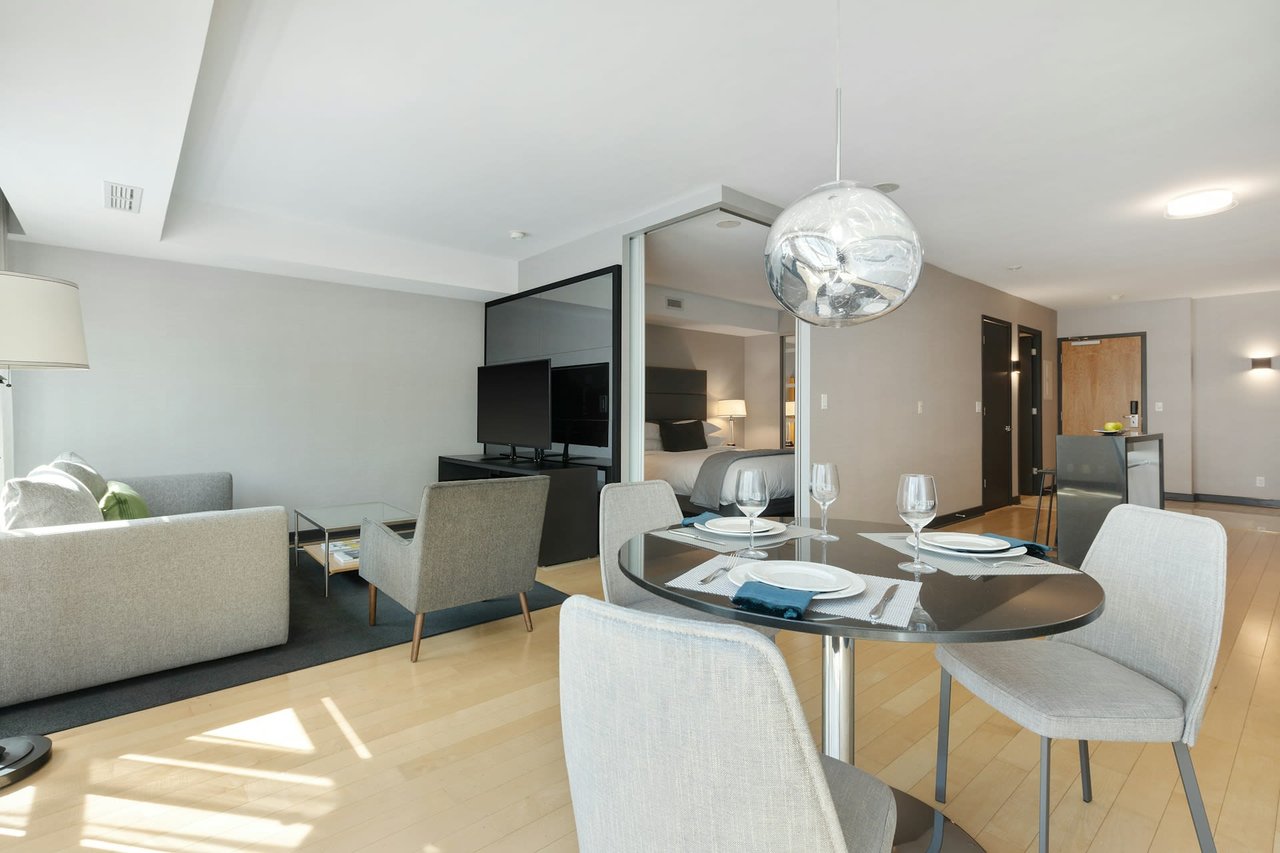
Look at the ratio of usable wall space to glass. Floor-to-ceiling glass is a selling point that also eliminates places to put furniture. Look at whether bedrooms have real closets or engineered ones. Look at ceiling height, column placement, and whether the kitchen is genuinely separate or a wall of the living room.
Then look at the corridor: how many units share your floor, and where the elevators land relative to your door.
6. Weigh amenities honestly
Every amenity is a line item in your dues, whether you use it or not.
A full-service building with a concierge, valet, fitness center, pool deck and guest suites carries the staffing and maintenance cost of all of it. If you travel constantly and want a lock-and-leave, that cost buys you something real. If you want a quiet place to live and already belong to a gym, you may be subsidizing someone else’s lifestyle.
There is no correct answer here. There is only whether the trade matches how you live.
How the Dallas districts differ
Dallas high-rise living is not one market. The in-town districts each developed differently, and that history shows up in the buildings.
- Turtle Creek: established, greener, with a longer-tenured owner base and a range of building vintages.
- Uptown: the most walkable, with a dense mix of restaurants and retail at street level.
- Victory Park: event-adjacent and near the Arts District, with a different rhythm on game nights.
- Harwood District: master-planned as a single vision, so its towers share a design language and amenity standard unusual in Dallas.
Because Harwood was developed cohesively, its buildings differ meaningfully from one another in floor plan, view corridor, HOA structure and lease policy, which is exactly why comparing buildings, not just neighborhoods, is the right unit of analysis.
The short version
Choose the building before the unit. Read the financials before the floor plan. Ask about lease policy before you think you need to. And treat the view as something the surrounding parcels can take away.If you are comparing specific Dallas towers and want the details side by side, get in touch. That comparison is the work.