Selling a high-rise condominium in Dallas is not the same job as selling a house. The buyer pool is smaller and better informed, the building itself is half of what is being bought, and the association paperwork can decide whether a contract closes or collapses. Here is how the process actually runs, and where sellers lose money without realizing it.
Price against your building
The comparable that matters most is not the tower down the street. It is the unit two floors above yours with the same stack, the same exposure, and the same finish level. A single building can carry a wide spread between a renovated south-facing unit and an original north-facing one, and averaging across a district hides that entirely.
Before pricing, look at what has actually closed in your building over the past year, what is currently listed, and how long each of those sat. If your building has three competing units on the market, that is the real market — not the district-wide average. A home valuation that starts from the district rather than the stack will usually be wrong in one direction or the other.
Get the association documents early
Buyers in a high-rise will ask for the budget, the reserve study, recent meeting minutes, the declaration, and the current rules. In practice a seller who assembles those before listing closes faster than one who orders them after an offer arrives, because the resale certificate takes time and the option period does not wait.
It also lets you get ahead of anything awkward. If a special assessment has been discussed, a buyer will find it. Knowing what is in the minutes lets you decide how to price and position rather than being surprised during the option period. The same document set buyers are told to scrutinize in HOA due diligence is the set you should read first.
Prepare for photography, not for guests
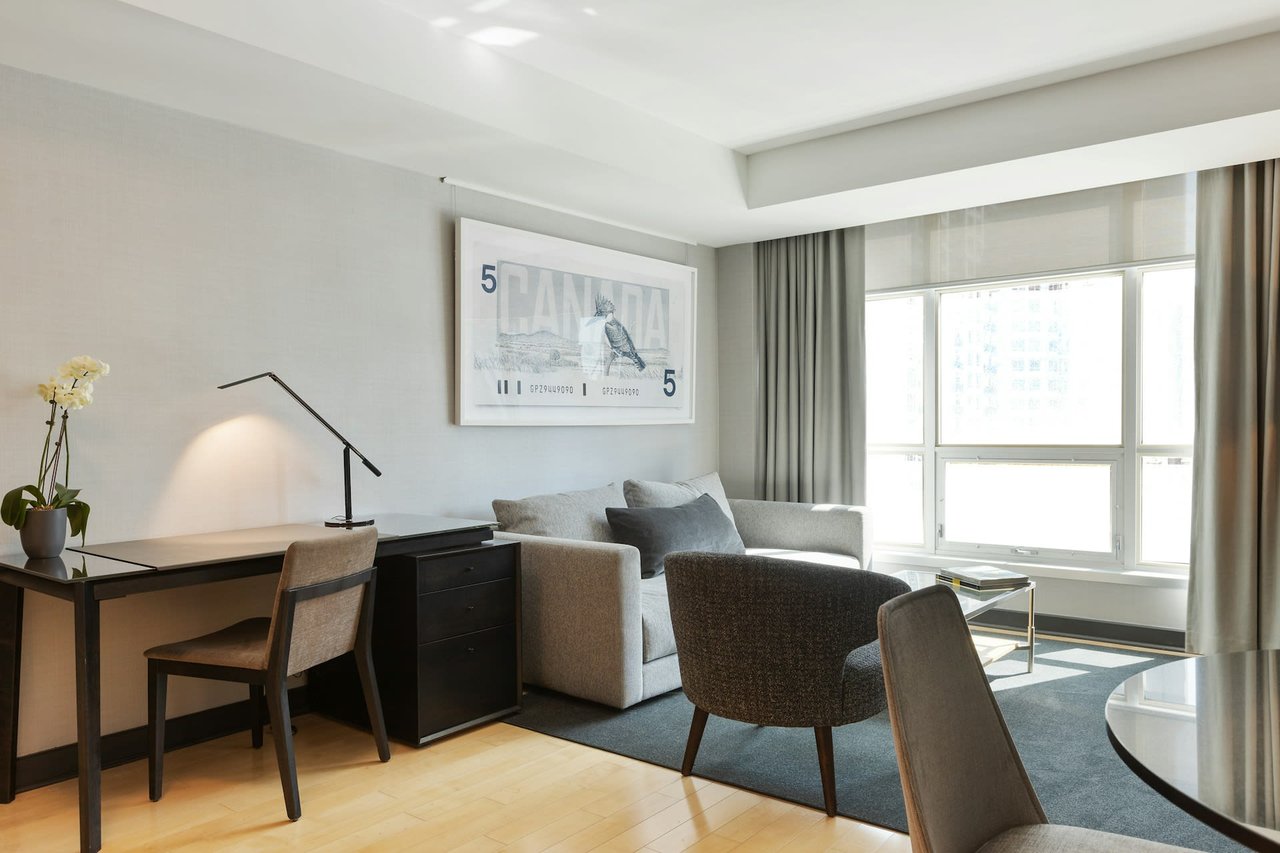
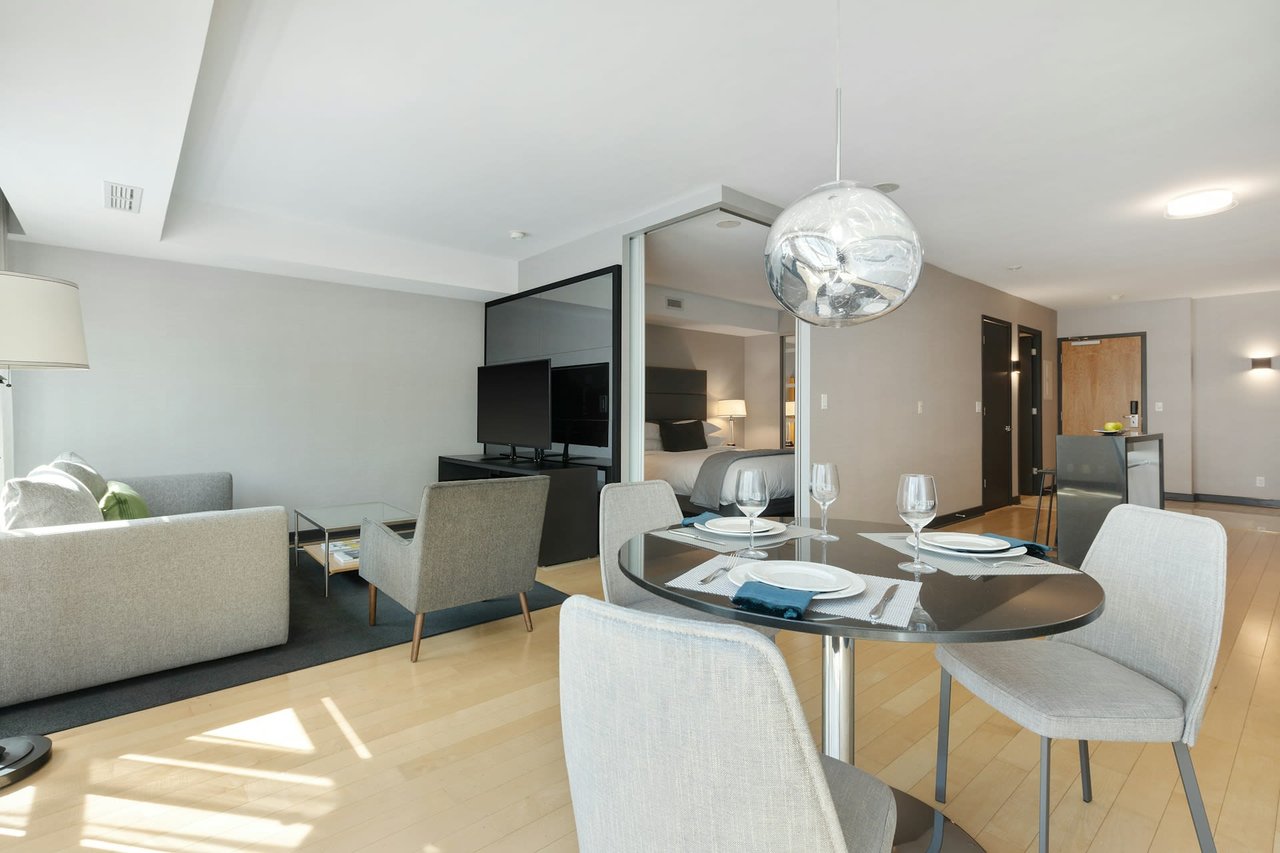
High-rise buyers shop the photographs before they shop the unit, and the two things that photograph best are light and space. That usually means removing furniture rather than adding it, clearing every surface, and cleaning the windows properly — the view is the asset, and a hazed pane costs more in perceived value than most staging gains.
Neutral is not the same as empty. A unit stripped to nothing reads as a floor plan; a lightly furnished one reads as a home. The goal is that a buyer can picture their own life in the space without arguing with yours.
Understand who the buyer is
Dallas high-rise buyers tend to fall into a few groups: downsizers trading a house for lock-and-leave living, professionals who want to be able to walk to work and dinner, and out-of-state buyers relocating in. Each cares about something different. The downsizer wants storage and a real second bedroom. The walker wants the address. The relocating buyer wants to understand the district before the unit, which is why the district comparison gets read before any listing does.
A listing that speaks to the right group closes faster than one written to appeal to all three.
Expect the building to be inspected too
A thorough buyer’s agent will ask what the building has spent on its envelope, elevators, and mechanical systems in recent years, and whether reserves are funded to a level the reserve study supports. These questions are increasingly standard. Sellers who can answer them hold their price; sellers who cannot tend to renegotiate.
Where sellers actually lose money
Rarely on the commission and rarely on staging. It is usually one of three things: pricing off the wrong comparable and burning the first three weeks of attention, discovering an association issue during the option period instead of before listing, or accepting an offer from a buyer whose lender has not looked at the building’s owner-occupancy and litigation status. Any of the three costs more than every other decision in the transaction combined.
Nora Kutob is a Broker Associate with Briggs Freeman Sotheby’s International Realty, representing sellers across Turtle Creek, Uptown, Victory Park, and the Harwood District. To talk through pricing and timing for your building, start a conversation.